Blockchain 101: Better Understand What Is Bitcoin
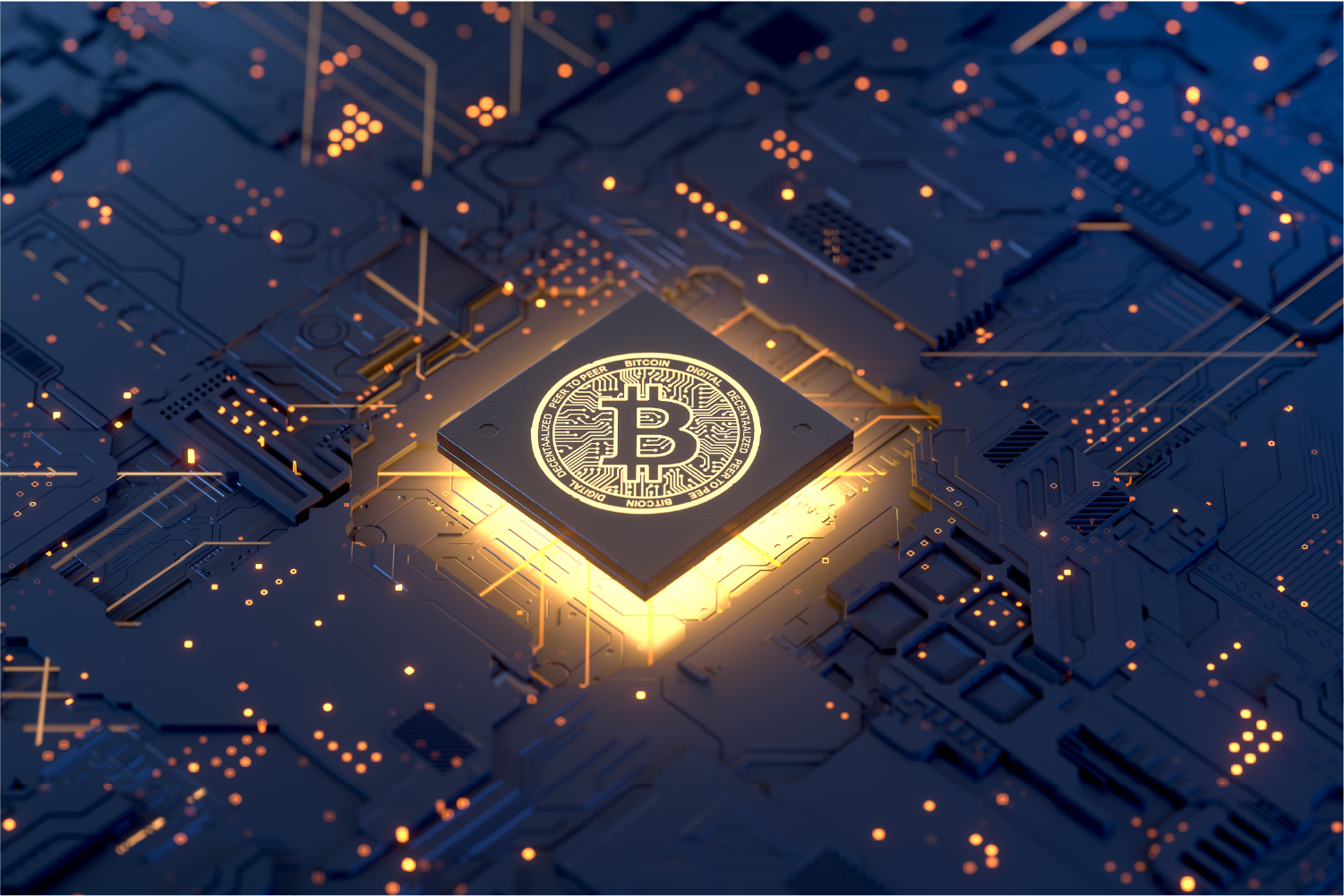
Bitcoin is the world’s largest and most widely recognised cryptocurrency. It enables people to send and receive value directly over a decentralized network without relying on a central authority such as a bank or government.
The Bitcoin network is secured through a process called mining, in which specialized computers compete to add new blocks of transactions to the blockchain. Miners who successfully add a block can receive newly issued Bitcoin and transaction fees as a reward.
Bitcoin transactions are secured using cryptography, which allows participants to prove ownership and authorize transactions without revealing their private keys. Transactions are recorded on a public blockchain, where participants in the network can independently verify them.
In this article, you will learn how Bitcoin works, how to buy it, and how to accept Bitcoin as payment for your business.
How does Bitcoin work?
Here is how Bitcoin differs from traditional governmental currencies:
1. Decentralized system
The Bitcoin system operates on a decentralised network and records transactions on a public blockchain. Transactions don't need approval from a central institution such as a bank. Instead, participants running Bitcoin nodes validate them independently according to the network’s consensus rules.
Transactions included in the blockchain form part of a public ledger, meaning anyone can view and verify transaction data recorded on the network. However, the identities of the people behind Bitcoin addresses are not automatically recorded on the blockchain.
2. A limited supply of Bitcoin
Traditional currencies, known as fiat currencies, such as dollars, euros, and yen, do not have a fixed maximum supply. Their supply is influenced by central banks and monetary policy.
Bitcoin works differently. The Bitcoin protocol governs its issuance, with the total supply capped at 21 million BTC. New Bitcoin enters circulation through mining, according to a predetermined issuance schedule.
3. Pseudonymity
Bitcoin can offer users a degree of privacy, but it is more accurately described as pseudonymous rather than anonymous.
Because Bitcoin has no central authority, the Bitcoin protocol itself does not require users to provide their identity when making a transaction. However, regulated exchanges, payment providers and other services may be required to verify users' identities under applicable laws and regulations.
Bitcoin transactions are authorized with cryptographic keys and validated according to the network's rules. Transactions are associated with Bitcoin addresses rather than names, but these addresses and their transaction histories are visible on the public blockchain. This means activity can potentially be traced and, in some circumstances, linked to an individual or organization.
4. Chargeback protected
Bitcoin transactions do not have the traditional chargeback mechanism associated with card payments. Once a transaction has been confirmed and additional blocks are added to the blockchain, reversing or modifying it becomes increasingly difficult.
For merchants, this can reduce exposure to fraudulent chargebacks. However, Bitcoin does not eliminate fraud altogether, and businesses still need appropriate security, compliance, and risk-management measures when accepting Bitcoin payments.
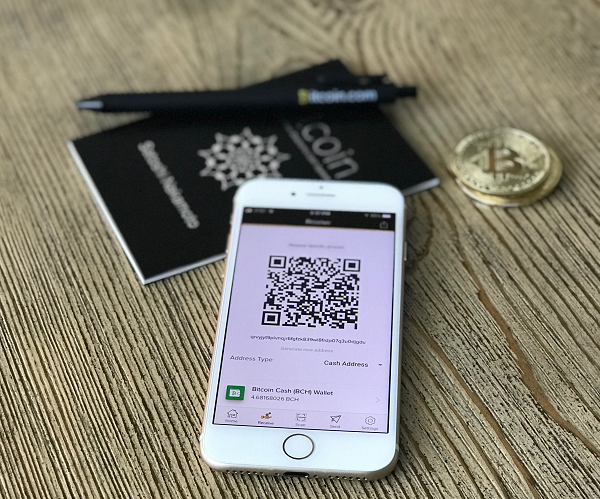
Benefits of Bitcoin
1. Safe and secure way of holding money
Thanks to cryptography, Bitcoin is secure. No one can use it, steal it, or make a payment on your behalf. Of course, you need to protect your wallet’s private key to avoid fraud. As a distributed system, if a confirmed transaction is modified, it must be modified on all computers participating in the system, which is nearly impossible today. If it isn't, the system will identify the issue, find where it came from, and eliminate the false transaction record.
Blockchain is the safest way to store any asset.
2. Bitcoin is universal
Bitcoin doesn’t sleep. You can transact with anyone, anywhere, at any time. Whatever the wallet, providers or software; you still are able to exchange or sell anyone Bitcoin. All you need is their Bitcoin wallet address.
3. Borderless and affordable transactions
Whether you want to send Bitcoin to your neighbor or someone on the other side of the planet, transaction times and fees stay the same and remain very low. You don't need to wait for an institution like a bank to process the payment, and you won't be surprised by additional fees. Moreover, there is no limit on transaction amounts. Fees don't change based on the amount you send. This makes Bitcoin highly advantageous for important transactions.
4. Identity protected
With Bitcoin, there is nothing to steal from you during a transaction. Each payment link is single-use only. If someone captures the payment link or the public address to your wallet, it will not be useful.
Learn how Bitcoin can be an asset to your store in our post 10 reasons why you should add Bitcoin payment to your website.
How to buy Bitcoin, how to use Bitcoin, what to do with Bitcoin
Anyone can use Bitcoin without any technical knowledge. Managing a wallet is within anybody’s reach with a user-friendly interface. These "wallets" consist of a public key and a private key.
- A private key is a large string of numbers and letters that allows Bitcoin to be sent.
- A public key is another large number, but this one enables Bitcoin to be received.
- An address is a hashed version of the public key; it is reduced for security, as it is the one displayed on the blockchain.
To create a wallet, we recommend Electrum or Blockchain. Go to their websites and follow the instructions to set up your wallet in no time.
Where to buy Bitcoin
You can buy Bitcoin on an exchange website or directly from marketplaces with other digital currencies, like Binance or Kraken via your credit card or bank transfers. Some platforms can also help find people who are willing to sell Bitcoin for cash. In some countries, ATMs also let you buy Bitcoin like you would buy soda from a vending machine.
How to use Bitcoin
You can do almost anything with Bitcoin. Buy other digital currencies, buy goods or services, donate to charities, keep them as an investment. Whatever you want to do.
Accept Bitcoin as a merchant
There are more than 200 million Bitcoin owners, though still a small quantity of merchants accept Bitcoin as a payment method.
Today, accepting Bitcoin can be part of a broader digital currency payment strategy. Triple-A enables businesses to accept Bitcoin, including payments via the Bitcoin and Lightning networks, alongside leading stablecoins and other digital currencies. Businesses can integrate digital currency payments into their checkout or invoicing flows, while reducing the operational complexity of managing digital assets themselves.
For merchants, this means reaching customers who prefer to pay with Bitcoin while keeping the payment experience integrated with their existing business operations. Triple-A’s regulated payment infrastructure connects digital currency payments with traditional payment and settlement rails, helping businesses move money globally without having to build their own crypto infrastructure.
To explore how your business can accept Bitcoin without taking on the complexity of managing it in-house, talk to the Triple-A team.